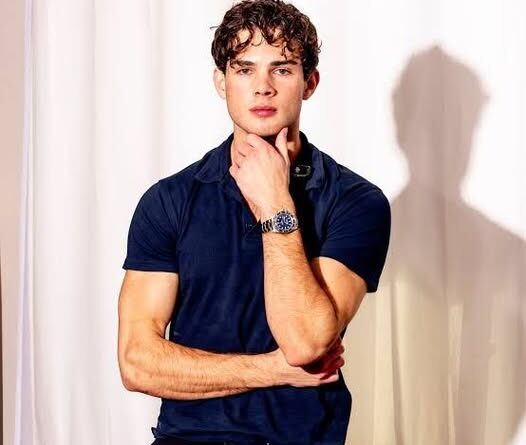
Braden Peters (Clavicular) Hospitalized in Myrtle Beach After Suspected Overdose
The alarming events surrounding Braden Peters, better known as Clavicular, have reignited concerns about the dangers of online fame and the toxic subcultures that thrive in influencer spaces. The 20-year-old’s health crisis, which unfolded during a livestream and led to his hospitalization, has prompted widespread discussion about the blurred lines between content creation and personal well-being.
During a livestream with fellow influencers, Peters’ condition rapidly deteriorated. What began as a typical broadcast soon turned unsettling as he appeared visibly disoriented, struggled to stand, and slurred his speech. At one point, he openly admitted, “I’m trying my best, but I’m f—ing destroyed right now,” making it clear that he was in distress. However, despite these alarming signs, the group continued filming and moving between locations, such as a mall and a bar, raising questions about the responsibility of those around him.
A particularly disturbing moment occurred when another influencer allegedly asked Peters about his recent drug use and offered him Adderall, a stimulant often abused for its performance-enhancing effects. This exchange, captured live, has drawn sharp criticism for seeming to normalize substance use while Peters was in a vulnerable state, highlighting a darker side of influencer culture where the pursuit of engagement sometimes trumps basic safety and concern.
Known within the “looksmaxxing” community—a controversial movement focused on enhancing physical appearance through extreme methods—Peters has become emblematic of the pressures young influencers face to uphold a perfect image. Critics of the movement argue that it promotes unrealistic standards of beauty, encouraging dangerous behaviors in its followers. The incident with Peters serves as a harsh reminder that the need to maintain an online persona can sometimes come at the expense of mental and physical health.
The livestreamed nature of the incident also raises ethical questions about the role of viewers and platforms in these situations. Thousands of people watched the events unfold in real-time, yet they were unable to intervene, turning a medical emergency into a spectacle. This incident blurs the line between entertainment and reality, calling attention to the growing ethical dilemmas within influencer-driven content.
As Braden Peters recovers, this troubling episode highlights the need for greater accountability within the influencer ecosystem. It is a sobering reminder of the risks tied to online fame, peer pressure, and subcultures that thrive on the pursuit of external validation.